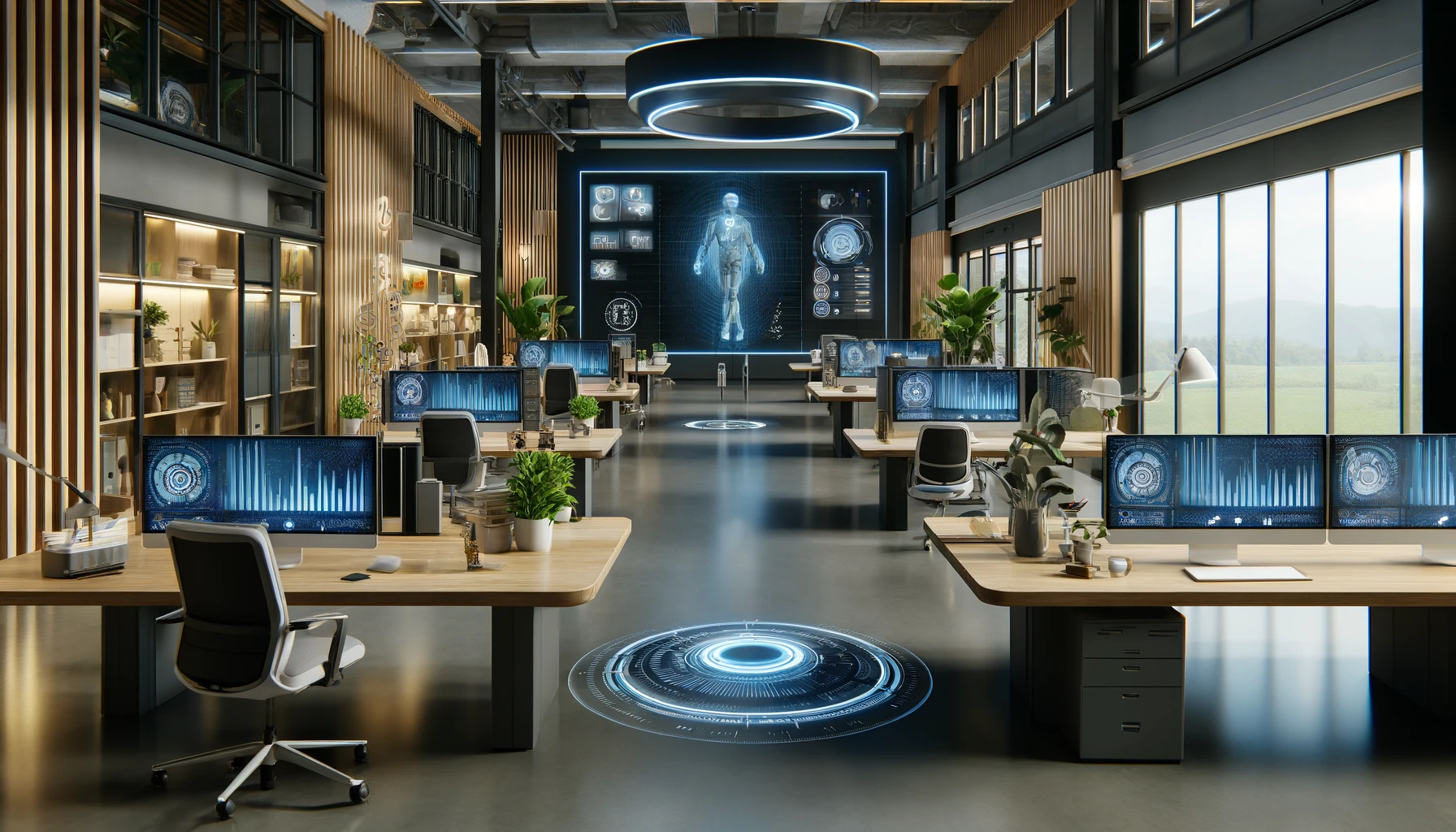
In today’s fast-evolving business world, the way we work is changing faster than ever before. Gone are the days when an office simply meant a desk, chair, and computer. Today’s modern office spaces are built around innovation, efficiency, and adaptability — and the driving force behind this transformation is smart technology. From automated lighting systems to AI-driven work environments, modern offices are blending intelligence with comfort to create a workspace of the future.
The rise of smart technology in office design isn’t just a trend — it’s a revolution. Companies across industries are recognizing the importance of creating environments that support productivity and well-being simultaneously. Smart offices integrate advanced technologies like IoT (Internet of Things), AI (Artificial Intelligence), and data analytics to make daily work operations smoother and more intuitive.
Imagine walking into your office and the lights adjust automatically to your preferred brightness, your workspace temperature aligns with your comfort level, and the coffee machine already knows your morning routine. This isn’t science fiction — it’s the new normal in modern workplaces.
The concept of a smart office extends beyond gadgets and sensors. It’s about creating a workspace that learns, adapts, and evolves with its users. The future belongs to businesses that can provide an environment where employees thrive — both mentally and physically.
Smart offices reduce repetitive tasks, optimize energy consumption, and enhance collaboration through digital tools. By integrating automation, employees can focus on what truly matters: creativity, innovation, and growth. Businesses that invest in smart workspaces are not only improving employee experience but also future-proofing their operations.
IoT technology plays a pivotal role in the evolution of modern office spaces. With IoT-enabled devices, every component in the office — from lighting and air conditioning to printers and meeting rooms — can be interconnected. These systems gather real-time data and respond intelligently to user needs.
For example:
Such integration not only improves convenience but also helps reduce energy waste, leading to a more sustainable and cost-efficient workspace.

Artificial Intelligence has become the backbone of smart office systems. AI enables offices to “think” — analyzing data to predict needs and optimize processes. AI assistants like voice-controlled systems can manage meeting schedules, control lighting, or even take notes during discussions.
Moreover, AI analytics can monitor how employees use space, helping managers redesign layouts for better flow and productivity. For instance, AI might identify that collaborative zones are overused while private areas remain underutilized, leading to strategic space reconfiguration. This level of insight was unimaginable a decade ago.
With advanced connectivity comes the need for smarter security. Modern office spaces are now equipped with AI-powered surveillance systems, facial recognition access controls, and digital visitor management platforms. These tools not only enhance safety but also streamline administrative tasks.
Biometric entry systems prevent unauthorized access, while cloud-based monitoring allows facility managers to keep an eye on multiple locations remotely. This ensures a seamless blend of security and convenience — a hallmark of modern smart offices.
Sustainability has become a key consideration in today’s corporate world. Smart offices play a significant role in promoting eco-friendly practices through intelligent energy management systems, waste reduction technologies, and green building designs.
Smart lighting systems powered by motion detectors and daylight sensors reduce unnecessary power consumption. Similarly, smart HVAC systems analyze occupancy data to maintain optimal temperature without energy waste. Even simple features, such as paperless document systems or automated recycling bins, contribute to a more sustainable workplace.
These eco-friendly technologies not only save operational costs but also appeal to employees and clients who value environmental responsibility.
At the heart of every modern office is its people. Smart technologies aim to enhance the employee experience by promoting comfort, flexibility, and well-being. From ergonomic furniture that adjusts automatically to wellness-focused smart lighting that mimics natural daylight, every detail contributes to a healthier work environment.
Some offices even incorporate AI-driven wellness platforms that track employee engagement and provide suggestions for breaks, mindfulness exercises, or hydration reminders. This personalized approach fosters a more balanced and motivated workforce.
Collaboration is no longer confined to physical spaces. With hybrid work models becoming the norm, smart technology bridges the gap between on-site and remote employees. Interactive digital whiteboards, high-definition video conferencing systems, and cloud-based project management tools have become the backbone of modern teamwork.
Employees can now collaborate seamlessly from different time zones, share ideas in real time, and maintain productivity without geographical constraints. Smart meeting rooms equipped with automated scheduling systems ensure that resources are always available when needed, minimizing time wasted on logistics.
Modern smart office spaces emphasize flexibility. With the help of data analytics, companies can design work environments that evolve based on real-time usage patterns. Movable furniture, modular layouts, and adjustable workstations allow businesses to adapt quickly to changing team structures and project demands.
For instance, during collaborative projects, the office can be rearranged into open zones, while during deep-focus periods, private pods or quiet zones can be emphasized. This adaptability creates a dynamic environment that fosters creativity and innovation.

Smart furniture is one of the most exciting developments in office design. Height-adjustable desks, sensor-enabled chairs, and AI-connected workstations are redefining comfort at work. These pieces are not only ergonomic but also interactive.
For example, smart desks can remind employees to stand up, track posture, and even connect with personal health apps. This integration between technology and human wellness helps in preventing fatigue and improving productivity throughout the day.
Data is the foundation of any smart office. By collecting and analyzing data from sensors, devices, and user interactions, businesses can make informed decisions. Data insights can reveal how often meeting rooms are used, which areas experience overcrowding, or what environmental settings employees prefer.
This data-driven approach allows organizations to continuously improve space utilization, reduce waste, and enhance employee satisfaction. Essentially, data transforms the workplace into a living, evolving ecosystem.
While the benefits are undeniable, implementing smart office technologies also comes with challenges. The initial investment in infrastructure can be substantial, and data security concerns must be addressed diligently. Additionally, employees need training to adapt to new systems and technologies.
However, with careful planning, clear communication, and gradual integration, companies can overcome these challenges effectively. The long-term benefits — in terms of productivity, energy efficiency, and employee satisfaction — far outweigh the initial hurdles.
A modern office equipped with smart technologies doesn’t just improve efficiency — it transforms company culture. By creating an environment that prioritizes innovation and employee comfort, organizations send a strong message about their values. Employees feel more empowered, motivated, and connected to their work.
Smart offices promote transparency, collaboration, and trust — three essential pillars for building a positive workplace culture. The fusion of technology and humanity leads to a balanced, forward-thinking work atmosphere.
Looking ahead, the future of office spaces will be even more connected and intuitive. We can expect offices that completely integrate with wearable devices, predictive AI systems, and immersive AR/VR environments. Workspaces will be capable of predicting employee needs, optimizing schedules, and even personalizing environmental settings down to individual preferences.
The concept of “hyper-personalized” offices — where every employee experiences a workspace tailored specifically to them — is rapidly becoming a reality. This blend of automation and personalization is set to define the next era of workplace innovation.
Transitioning to a modern smart office doesn’t have to happen overnight. Businesses can start small and scale gradually:
A phased approach allows companies to assess ROI and fine-tune their strategy before implementing large-scale upgrades.
The modern office is no longer just a place to work — it’s an intelligent ecosystem designed to inspire, connect, and empower. Smart technology has revolutionized how we experience work, transforming traditional offices into living, breathing environments that evolve with human needs.
Businesses embracing this transformation are not only gaining a competitive edge but also creating workplaces where innovation thrives, employees flourish, and sustainability becomes second nature. As technology continues to advance, the office of tomorrow will be a seamless blend of intelligence, creativity, and humanity — a true reflection of the modern world we live in.
Do Follow Estate Magazine on Instagram
High-ROI Office Spaces Near Dubai Free Zones: Complete ROI Guide