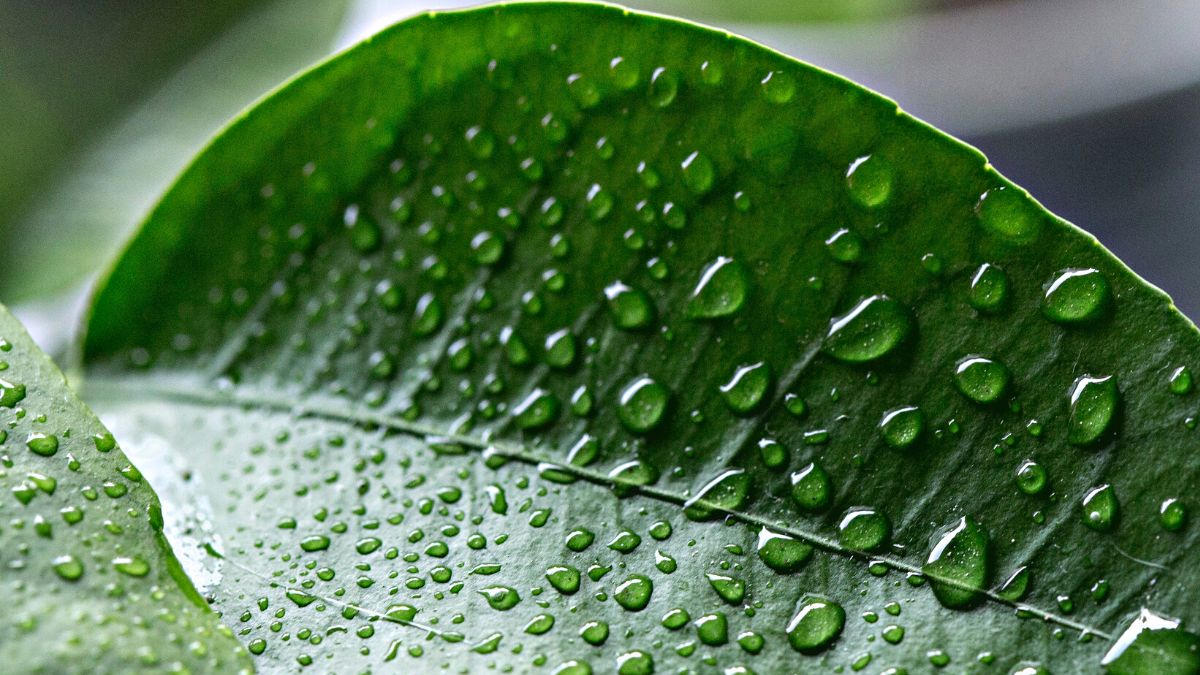
When we think of the water cycle, we often picture rain, rivers, and clouds. But one of the most important parts of this natural system happens silently in plants. It is called transpiration. While it might sound like a scientific term, transpiration is simply the way plants release water vapor into the air through tiny pores in their leaves.
This process may seem small, but it plays a massive role in keeping the water cycle — and even our climate — in balance. Let’s dive into why transpiration matters, how it works, and how it affects life on Earth.
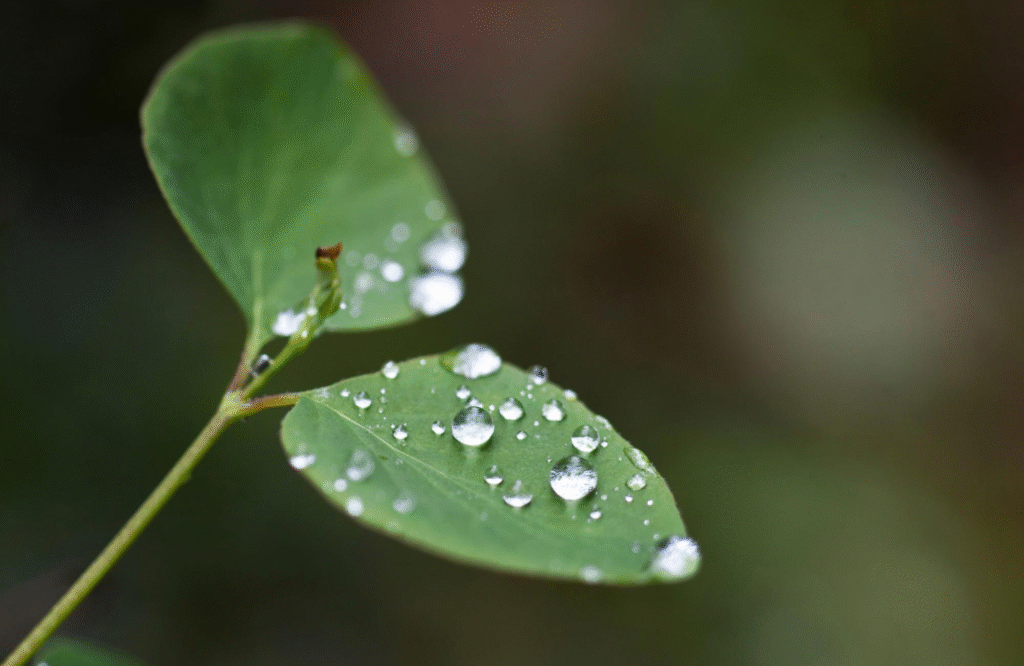
Transpiration is the process by which plants take up water through their roots and then release it as water vapor through tiny openings in their leaves, known as stomata. Think of it as a plant “sweating” — but for a purpose.
Through transpiration, plants not only get rid of extra water, but they also help pull more water up from the soil. This helps deliver essential nutrients to the entire plant. Without this process, plants would struggle to survive, and the water cycle itself would break down.
Here’s a simple step-by-step explanation:
Together, these steps create a constant flow of water through the plant and back into the atmosphere.
Transpiration is far more than just a plant sweating. Here’s why it matters:
Maintains the water cycle: Around 10% of all moisture in the atmosphere comes from plant transpiration. Without this, rain patterns could change, harming ecosystems and even humans.
Helps cool plants: When water evaporates from the leaves, it cools the plant down, similar to how sweating cools our bodies.
Moves nutrients: As water is pulled up through the plant, it carries nutrients from the soil that are vital for growth.
Influences climate: Transpiration helps create clouds by adding water vapor to the air. These clouds then return water to the earth as rain, completing the water cycle.
Without transpiration, our weather would look very different — and much of the plant and animal life we depend on would not exist.
The water cycle, also called the hydrological cycle, is nature’s way of moving water around the planet. It has four key parts:
Transpiration fits into this cycle as a crucial part of evaporation. Instead of water evaporating only from lakes and oceans, transpiration adds extra moisture to the atmosphere from land-based plants. This means plants actively help “feed” the clouds.
For example, tropical rainforests play a huge role in releasing water vapor, which is why they are often called the “lungs of the planet.” If those forests are destroyed, the water cycle in those areas can collapse, leading to droughts and shifting weather patterns.
Transpiration doesn’t always happen at the same speed. Several factors can change how much water a plant releases:
Temperature — higher temperatures speed up transpiration
Humidity — dry air makes water evaporate faster
Wind — wind moves moisture away from leaves, encouraging more transpiration
Type of plant — different species have different rates of transpiration
Light — sunlight makes stomata open wider, increasing water loss
Farmers and gardeners often think about these factors to help manage water needs for their crops. For example, too much heat and wind can make plants lose water faster than they can absorb it, leading to wilting.
Many people underestimate how important transpiration is. But here’s the reality:
Transpiration keeps the climate stable by recycling water.
It supports healthy plant growth, which feeds animals and humans alike.
It helps forests and wetlands survive, which are critical for biodiversity.
If the balance of transpiration is disrupted — for example, through deforestation or climate change — entire ecosystems can be thrown out of sync. Reduced transpiration means less rain, more drought, and even higher temperatures.

Because transpiration is so important, protecting plants and forests is essential. Cutting down large areas of trees can reduce transpiration, drying out the local climate and making rain less frequent. That’s why environmental efforts to plant more trees or protect forests also help protect the water cycle.
Sustainable farming practices are another way to support healthy transpiration. Farmers who plant diverse crops and avoid stripping the land of trees help keep the natural water cycle running smoothly.
Transpiration may be an invisible process, but its effects are all around us. Every drop of water released by a leaf joins the grand journey of the water cycle, supporting life on earth and helping keep our climate stable.
Next time you see a leafy tree or a field of crops, remember: those plants are working hard to move water, grow food, and keep the planet in balance. Understanding transpiration is one small step to appreciating just how powerful and interconnected nature truly is.
Read More:- Deyaar’s Latest Announcement Shakes Up the UAE Property Market