
Water is the source of all life on Earth, and the water cycle — also called the hydrological cycle — is its hidden engine. It is a complex, natural process that keeps our environment stable and healthy. From the smallest plant to the largest ocean, everything depends on the continuous movement of water between the sky, the land, and the seas.
But how does this amazing system actually work to keep the planet in balance? Here are seven essential ways the water cycle supports and protects the environment.
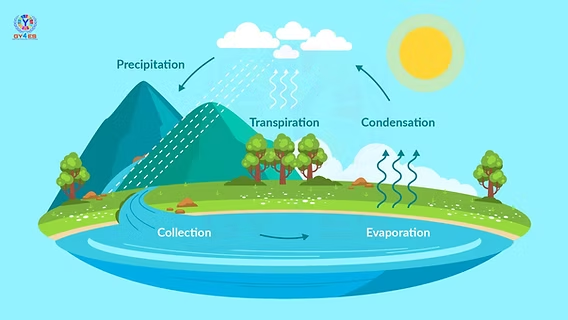
One of the most important benefits of the water cycle is that it naturally cleans water. When water evaporates from lakes, rivers, or oceans, it leaves behind impurities like salt, dirt, and other pollutants. This means that when it returns as rain, the water is relatively pure.
This process helps keep freshwater supplies available for plants, animals, and humans. Without this continuous purification, the world’s rivers and lakes would soon become too dirty to support life.
Rainfall, a key part of the water cycle, is vital for plants. When rain falls, it soaks into the soil, providing water that plants use to grow and produce food. Without this natural irrigation, crops would fail, and entire ecosystems could collapse.
Farmers have relied on seasonal rains for thousands of years to grow healthy crops. Even modern irrigation systems often depend on rainfall to fill reservoirs and underground water supplies. The water cycle is nature’s way of making sure plants — and the people who depend on them — get the water they need.
Water has a unique ability to absorb and store heat. Through evaporation and condensation, the water cycle helps move heat around the planet.
For example, when water evaporates from the ocean, it carries heat with it, which helps cool the surface. When it condenses into clouds and falls as rain, that heat is released again into the atmosphere.
This constant exchange of energy helps regulate the Earth’s temperature, preventing dangerous extremes and supporting a stable climate. Without the water cycle, the planet would experience much more severe weather, making it harder for life to survive.
Rain does not only feed rivers and lakes — it also soaks down through the soil to recharge underground water stores known as aquifers. These hidden reserves are a critical source of fresh water for people, especially in dry regions.
By constantly refilling these underground supplies, the water cycle ensures that communities have water to drink, even during dry seasons or droughts. It is nature’s own backup system, helping to balance supply and demand over time.
The water cycle supports delicate ecosystems around the world. Wetlands, forests, and grasslands all depend on regular rainfall and water movement to stay healthy.
Animals, fish, and birds rely on these water-rich habitats for food and shelter. For example, fish in a river need steady flows of clean water to survive. If the water cycle was interrupted, these ecosystems could collapse, threatening countless species.
In this way, the water cycle acts like an environmental lifeline, sustaining every level of the food chain.
The water cycle even helps to prevent some natural disasters. For example, when rainfall is absorbed into the soil and groundwater, it reduces the risk of floods. Snowpack and glaciers store water in cold regions, slowly releasing it in springtime to avoid sudden flooding.
Meanwhile, clouds created by the water cycle help shade the Earth, lowering temperatures and reducing the danger of extreme heat waves.
Although the water cycle cannot stop every disaster, it plays a vital role in reducing their impact and helping the environment recover afterwards.
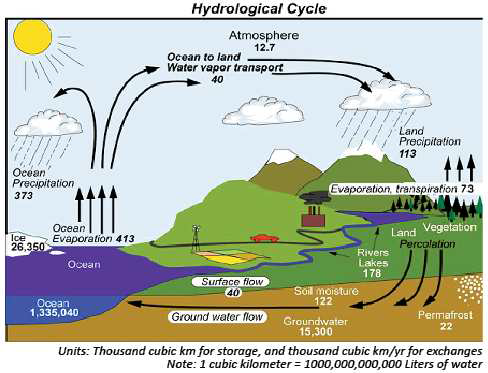
Weather and climate would not exist without the water cycle. The movement of water vapor in the atmosphere creates clouds, which turn into rain, snow, or hail. This entire process powers storms, winds, and seasonal changes.
In other words, the water cycle is the engine of our planet’s weather systems. It brings rainfall to dry areas, carries away excess heat, and even shapes wind patterns.
By driving the climate, the water cycle supports everything from agriculture to clean drinking water, proving that its role goes far beyond simple rain.
The water cycle is one of Earth’s most powerful systems. It works silently and constantly to clean, store, and move water, balancing nature in ways that many people take for granted.
As climate change and human activities put stress on water resources, understanding and protecting the water cycle has never been more important.
Every drop of water is part of this amazing cycle. By conserving water and supporting clean environments, we can help keep this natural miracle working for generations to come.
Read More:- Deyaar’s Latest Announcement Shakes Up the UAE Property Market